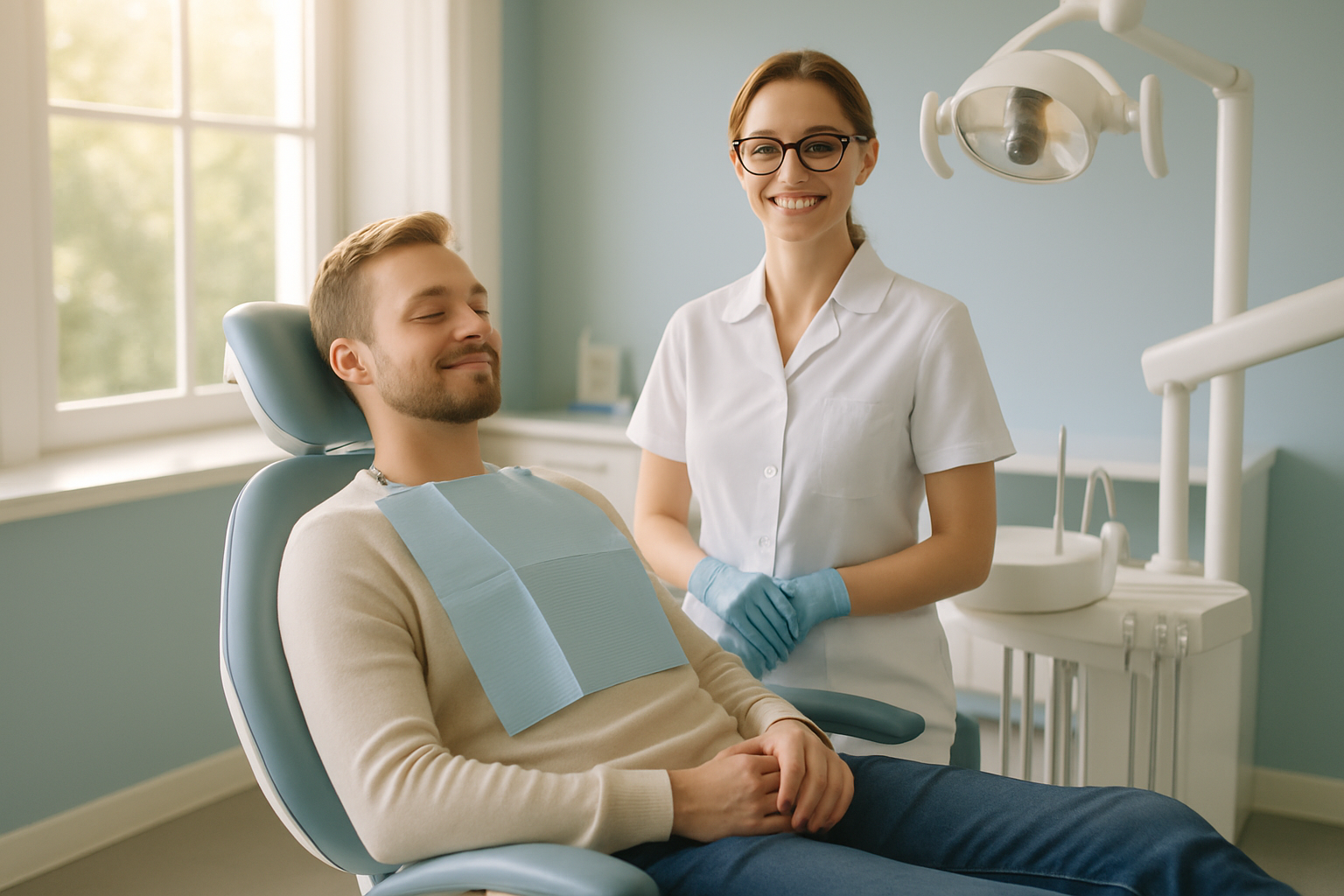
Does the thought of sitting in a dental chair make your heart race? You’re far from alone—dental anxiety affects millions of Americans and keeps many from getting the care they need.
If you’ve been avoiding dental appointments because of fear or anxiety, sedation dentistry for anxiety might be exactly what you need to finally get comfortable in the dentist’s chair. At our practice in the local area, we’ve helped countless nervous patients discover that dental visits don’t have to be stressful experiences.
Understanding Sedation Dentistry for Anxiety
Sedation dentistry uses medication to help patients relax during dental procedures. It’s sometimes called “sleep dentistry,” though most patients remain awake except under general anesthesia. The goal isn’t just to calm your nerves—it’s to make dental care accessible to everyone, regardless of anxiety levels.
According to the American Dental Association, sedation dentistry is safe when administered by trained professionals who follow proper protocols. Different levels of sedation exist to match your specific needs and the complexity of your procedure.
Types of Sedation Dentistry for Anxiety Relief
Not all sedation is created equal. The right option depends on your anxiety level, the length of your procedure, and your medical history. Here are the most common approaches we use:
Nitrous Oxide (Laughing Gas)
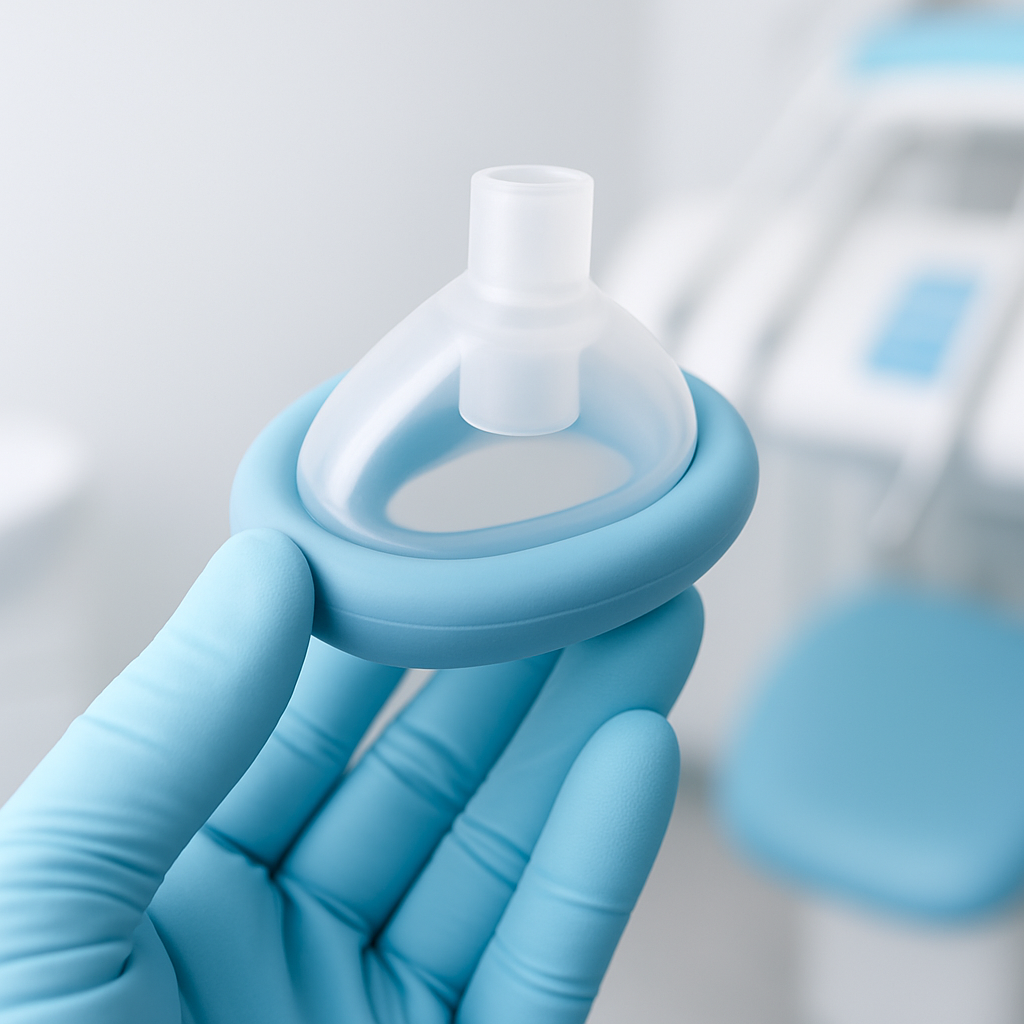
This is the mildest form of sedation and perfect for patients with mild to moderate anxiety. You breathe nitrous oxide through a small mask over your nose, and within minutes you’ll feel relaxed and calm. The beauty of nitrous oxide is that it wears off quickly—usually within five minutes after we remove the mask—so you can drive yourself home.
Oral Conscious Sedation
For moderate anxiety, oral sedation involves taking a prescribed pill about an hour before your appointment. You’ll remain awake and able to respond to questions, but you’ll feel deeply relaxed and may not remember much about the procedure afterward. Because the effects last several hours, you’ll need someone to drive you to and from your appointment.
IV Sedation
Intravenous sedation delivers medication directly into your bloodstream, allowing for deeper relaxation and precise control over sedation levels. This option works well for severe dental anxiety or longer, more complex procedures. You’ll be in a twilight state—conscious but extremely relaxed—and will need a responsible adult to accompany you home.
Who Benefits Most from Sedation Dentistry
While anyone with dental anxiety can benefit, sedation dentistry particularly helps patients who:
- Have had traumatic dental experiences in the past
- Need extensive dental work completed in fewer visits
- Have a strong gag reflex that interferes with treatment
- Experience difficulty getting numb with local anesthesia
- Have sensitive teeth or low pain tolerance
- Feel claustrophobic or panicked in the dental chair
Children with severe anxiety or special needs may also be candidates for sedation, though pediatric sedation requires additional specialized training and precautions.
Safety and What to Expect During Sedation Dentistry for Anxiety

Safety is our top priority. Before recommending sedation, we’ll review your complete medical history, current medications, and any allergies. Certain conditions may affect which sedation option is safest for you.
During your appointment, we continuously monitor your vital signs—heart rate, blood pressure, and oxygen levels. Our team is trained in sedation protocols and emergency procedures, though complications are extremely rare when proper guidelines are followed.
The Mayo Clinic notes that sedation dentistry has an excellent safety record when administered by qualified professionals using appropriate monitoring equipment.
Preparing for Your Sedation Dentistry Appointment
Preparation varies depending on the type of sedation, but here are general guidelines:
- Follow fasting instructions: For oral or IV sedation, you’ll typically need to avoid food and drinks for several hours beforehand
- Arrange transportation: Plan for someone to drive you home and ideally stay with you for a few hours
- Wear comfortable clothing: Choose loose-fitting clothes and avoid jewelry
- Share medical updates: Tell us about any changes in your health or medications since your last visit
- Ask questions: Don’t hesitate to voice any concerns before your appointment
After your procedure, you may feel groggy for several hours. Plan to rest at home and avoid operating machinery, making important decisions, or caring for dependents until the medication fully wears off.
Taking the First Step Toward Comfortable Dental Care
Dental anxiety shouldn’t keep you from maintaining a healthy smile. Sedation dentistry for anxiety has helped thousands of patients overcome their fears and receive the dental care they deserve—often completing years of delayed treatment in just one or two comfortable visits.
At our practice in the local area, we understand that every patient’s anxiety is different. That’s why we take time to listen to your concerns and create a personalized sedation plan that puts you at ease. Ready to experience stress-free dentistry? Give us a call today to discuss which sedation option might be right for you.