
Thinking about a smile makeover but worried about the price tag? You’re not alone—understanding the veneers vs bonding cost is one of the most common questions patients ask when exploring cosmetic dentistry options.
Both porcelain veneers and composite bonding can transform chipped, stained, or uneven teeth into a beautiful, confident smile. But they differ significantly in price, longevity, and treatment process. Let’s break down what each option costs, what you get for your investment, and how to decide which is right for your smile and your budget.
What Are Porcelain Veneers and Composite Bonding?
Before we dive into the veneers vs bonding cost comparison, it’s helpful to understand what each treatment involves.
Porcelain veneers are thin, custom-made shells of medical-grade ceramic that are permanently bonded to the front surface of your teeth. Your dentist will remove a small amount of enamel—typically less than a millimeter—to make room for the veneer. Impressions are sent to a dental lab, where skilled technicians craft veneers that match your desired shade and shape. The process usually requires two visits spaced a few weeks apart.
Composite bonding uses a tooth-colored resin material that your dentist sculpts directly onto your tooth in a single appointment. The resin is applied in layers, shaped to correct imperfections, then hardened with a special curing light. No lab work is needed, and in most cases, little to no enamel removal is required.
Both treatments can address similar cosmetic concerns—discoloration, minor chips, gaps, or slightly misaligned teeth—but the materials, durability, and investment differ considerably.
Breaking Down the Veneers vs Bonding Cost: What You’ll Pay
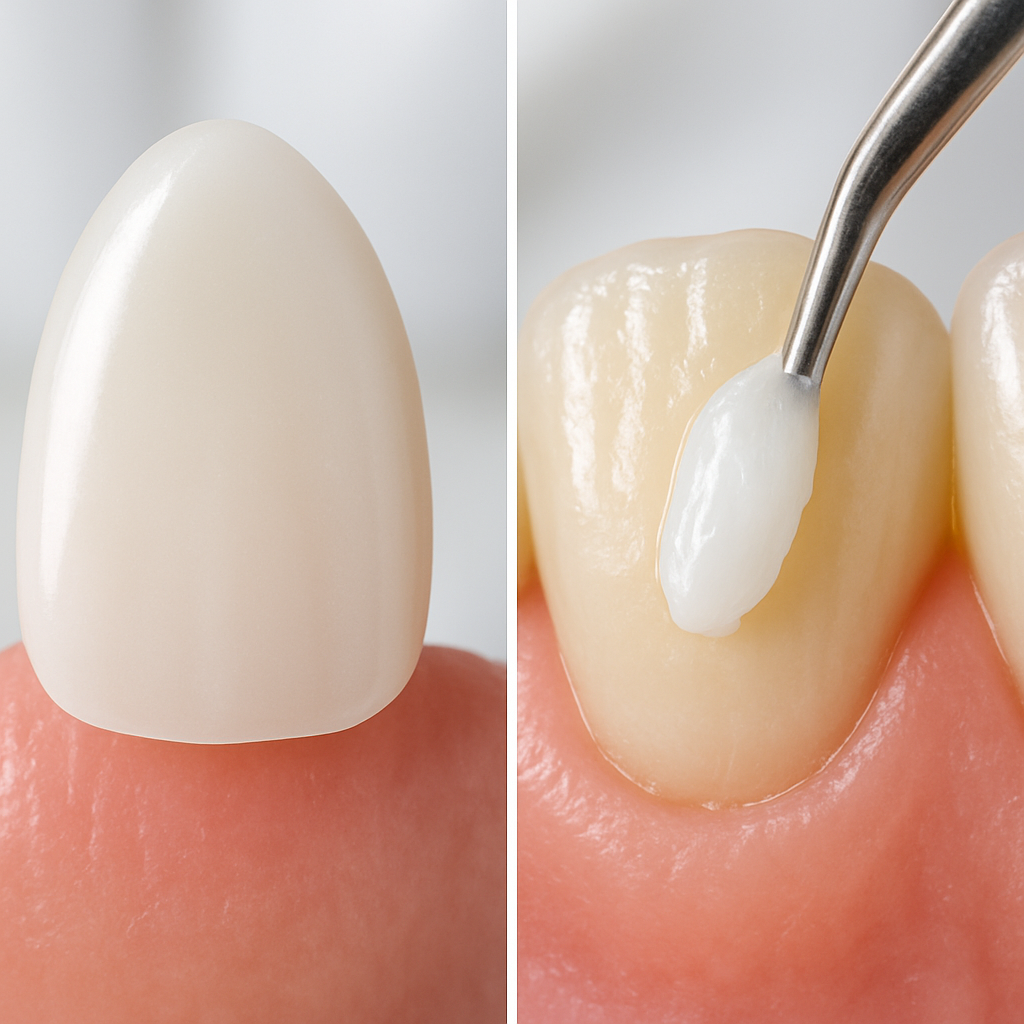
Cost is often the deciding factor for patients choosing between these two cosmetic options. Here’s what you can typically expect:
- Composite bonding: Generally ranges from $250 to $600 per tooth, depending on the complexity of the case and your location.
- Porcelain veneers: Typically cost between $925 and $2,500 per tooth, with most patients paying around $1,500 per tooth in many metropolitan areas.
At first glance, composite bonding appears to be the budget-friendly winner. If you’re treating just one or two teeth, bonding can deliver a noticeable improvement for a fraction of the cost. However, the initial price difference doesn’t tell the whole story.
It’s also worth noting that cosmetic dentistry is rarely covered by dental insurance, since it’s considered elective. Some practices offer financing plans or payment options to help make either treatment more accessible. Always ask about available options during your consultation.
Longevity and Value: The True Veneers vs Bonding Cost Over Time
When comparing the veneers vs bonding cost, it’s essential to factor in how long each option lasts and what maintenance they require.
Composite bonding typically lasts 5 to 7 years with proper care. The resin material can stain over time—especially if you drink coffee, tea, or red wine regularly—and may chip more easily than porcelain. Touch-ups or replacements are common as the bonding ages.
Porcelain veneers, on the other hand, often last 10 to 15 years or even longer with excellent oral hygiene and regular dental visits. Porcelain is highly stain-resistant and much more durable than composite resin. According to the American Dental Association, porcelain veneers are one of the most predictable and long-lasting cosmetic treatments available.
Let’s do the math: if composite bonding costs $400 per tooth and lasts 6 years, you might need it replaced twice over 12 years—totaling $800. A porcelain veneer at $1,500 could last 15 years without replacement. Over the long term, veneers may actually offer better value, even with a higher upfront cost.
Aesthetic Results: Which Looks More Natural?
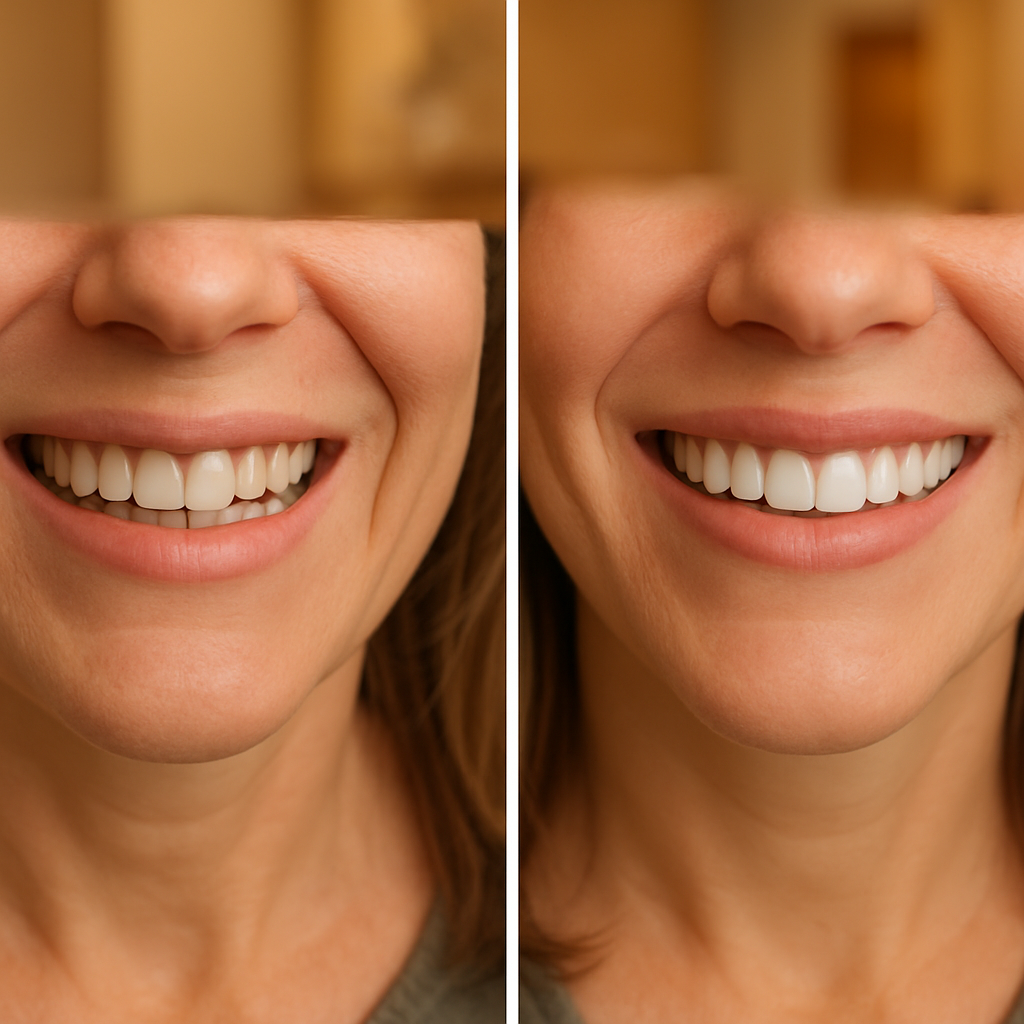
Both treatments can produce beautiful results in the right hands, but porcelain veneers generally offer superior aesthetics.
Porcelain mimics the light-reflecting properties of natural tooth enamel more closely than composite resin. The material has a translucent quality that blends seamlessly with surrounding teeth, creating a polished, natural-looking smile. Veneers are also custom-crafted in a lab to match your exact specifications.
Composite bonding can look excellent immediately after placement, especially for small corrections. However, because it’s hand-sculpted chairside, the final result depends heavily on your dentist’s artistic skill. The material is also more prone to discoloration over time, which can make bonded teeth look dull or yellowed compared to adjacent natural teeth.
For patients who want the most lifelike, Hollywood-style results, porcelain veneers are typically the gold standard.
Treatment Time and Convenience
If you need a quick cosmetic fix, composite bonding has a clear advantage. The entire procedure can often be completed in a single visit lasting one to two hours, depending on how many teeth are being treated. You walk in with a cosmetic concern and leave the same day with a refreshed smile.
Porcelain veneers require at least two appointments. During the first visit, your dentist prepares your teeth, takes impressions, and places temporary veneers. The permanent veneers are bonded during a second visit, usually 2 to 3 weeks later. Some practices now offer same-day veneers using advanced digital technology, but this isn’t yet available everywhere.
For busy patients or those who need immediate results for an event, bonding’s one-visit convenience can be a major benefit—even if it means sacrificing some longevity.
Which Is Right for You?
Choosing between veneers and bonding isn’t just about the veneers vs bonding cost—it’s about your goals, timeline, and what you value most in a cosmetic treatment.
Consider composite bonding if:
- You’re on a tighter budget and need an affordable cosmetic improvement
- You want results in a single appointment
- You’re addressing minor imperfections on one or two teeth
- You prefer a less invasive treatment with minimal enamel removal
Consider porcelain veneers if:
- You want the longest-lasting, most stain-resistant results
- You’re looking for a complete smile transformation
- You prioritize a highly natural, polished aesthetic
- You’re willing to invest more upfront for better long-term value
The best way to know which option suits your unique situation is to schedule a consultation with an experienced cosmetic dentist. They can evaluate your teeth, discuss your goals, and help you weigh the pros and cons—including the real veneers vs bonding cost over the lifespan of each treatment.
Ready to explore your smile makeover options? Contact the practice today to book your consultation and discover which cosmetic solution fits your smile and your budget. Our team is here to answer your questions and help you make a confident, informed decision about your dental care.