
Have you ever woken up at 3 a.m. with throbbing tooth pain so severe you couldn’t fall back asleep? Dental emergencies don’t wait for convenient office hours, and knowing when to seek immediate care can mean the difference between saving and losing a tooth.
Not every toothache requires a sprint to the dentist, but certain symptoms signal a true dental emergency. This guide will help you understand when you need emergency tooth pain relief today and what steps you can take at home while waiting for professional care.
What Qualifies as a Dental Emergency Requiring Immediate Care
True dental emergencies involve situations where delaying treatment could result in permanent damage, tooth loss, or serious infection. If you’re experiencing any of the following, you should contact a dentist immediately:
- Severe, unrelenting pain that doesn’t respond to over-the-counter pain relievers
- Significant swelling in your face, jaw, or neck, especially if accompanied by fever or difficulty swallowing
- A knocked-out tooth (time is critical—ideally within 30 minutes to an hour)
- Uncontrolled bleeding from the mouth that continues for more than 10 minutes
- Trauma to the jaw that affects your ability to open or close your mouth
- A dental abscess with visible pus, swelling, or a pimple-like bump on your gums
According to the American Dental Association, infections can spread rapidly, and facial swelling that begins to affect breathing or swallowing is a medical emergency that may require hospital care.
Safe At-Home Methods for Emergency Tooth Pain Relief

While you’re arranging to see your dentist, these evidence-based methods can provide temporary relief:
Cold compresses: Apply an ice pack wrapped in a thin towel to the outside of your cheek for 15-20 minutes at a time. This reduces swelling and numbs the area.
Salt water rinses: Mix half a teaspoon of salt in 8 ounces of warm water and gently swish for 30 seconds. This natural antiseptic helps reduce inflammation and cleanse the affected area.
Over-the-counter pain relievers: Ibuprofen is often more effective than acetaminophen for dental pain because it addresses inflammation. Follow package directions and never exceed recommended doses.
Elevation: Keep your head elevated, even while sleeping. This prevents blood from pooling in your head and intensifying the throbbing sensation.
Avoid certain foods: Stay away from extremely hot, cold, hard, or sugary foods that can trigger or worsen pain. Stick to soft, room-temperature options.
Common Causes of Emergency Tooth Pain
Understanding the source of your pain can help you communicate effectively with your dentist and may indicate how urgent your situation is.
Deep cavities: When decay reaches the inner pulp of your tooth where nerves live, pain can become excruciating. This often requires root canal therapy to save the tooth.
Cracked or fractured teeth: Even hairline cracks can expose sensitive inner layers, causing sharp pain when chewing or exposed to temperature changes.
Gum disease: Advanced periodontal disease can cause severe pain, loose teeth, and abscesses. The CDC notes that untreated gum disease is a leading cause of tooth loss in adults.
Dental abscesses: These bacterial infections create pockets of pus and can spread to your jaw, neck, or even your bloodstream if left untreated.
Lost fillings or crowns: When protective restorations fall out, the exposed tooth structure becomes vulnerable to pain and further damage.
Why You Shouldn’t Wait When You Need Emergency Tooth Pain Relief
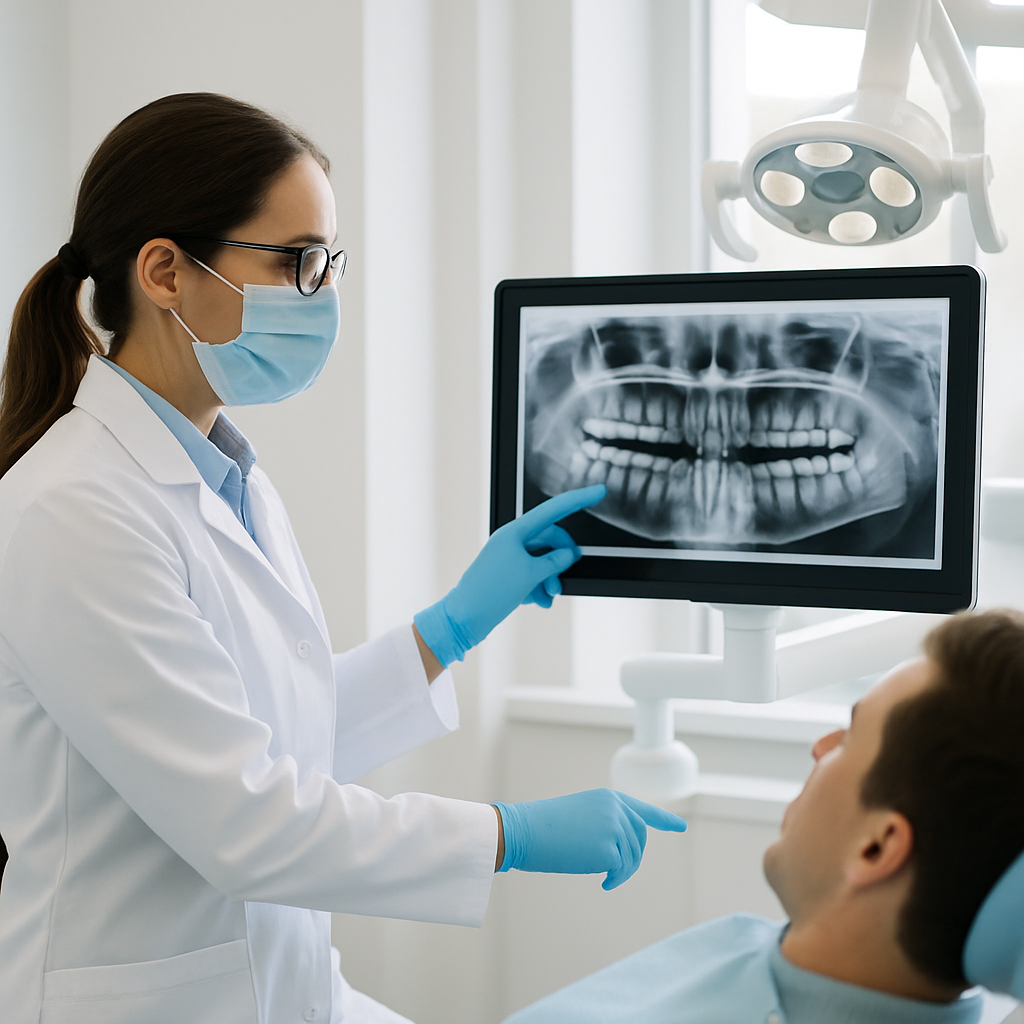
Dental pain is your body’s alarm system signaling that something is wrong. Ignoring it or relying solely on pain medication without addressing the underlying cause can lead to serious complications.
Infections can spread beyond your tooth into the surrounding bone and soft tissues. In rare but serious cases, dental infections can reach vital structures in your neck or even your brain. What starts as a manageable toothache can evolve into a life-threatening situation.
Time also matters for traumatic injuries. A knocked-out tooth has the best chance of successful reimplantation if you see a dentist within the first hour. Even a 30-minute delay can significantly reduce the odds of saving the tooth.
Financial concerns sometimes cause people to postpone care, but early intervention is almost always less expensive than treating advanced disease. A filling costs far less than a root canal, and a root canal costs much less than an extraction and implant.
What to Expect During an Emergency Dental Visit
When you contact your dental office for emergency tooth pain relief in the local area, the team will assess the urgency of your situation over the phone and schedule you as quickly as possible—often the same day.
During your emergency appointment, your dentist will:
- Evaluate your symptoms and take a detailed history of when the pain started and what makes it better or worse
- Examine the affected area visually and with gentle palpation to identify swelling, discoloration, or other visible problems
- Take X-rays to see what’s happening beneath the surface, including the tooth roots and surrounding bone
- Develop a treatment plan that may include immediate intervention to relieve pain or stabilize the situation, followed by definitive care
Treatment might range from draining an abscess and prescribing antibiotics to performing a root canal, repairing a crack, or extracting a severely damaged tooth. The goal is always to eliminate pain, stop infection, and preserve your natural tooth whenever possible.
When to Go to the Emergency Room Instead
Most dental emergencies are best handled by a dentist, but certain symptoms require hospital care. Seek emergency room treatment if you experience:
- Difficulty breathing or swallowing
- Severe facial swelling that’s rapidly worsening or affecting your eyes
- High fever (above 101°F) accompanied by dental pain and swelling
- Trauma involving broken facial bones or jaw fractures
- Uncontrollable bleeding despite applying pressure for 15 minutes
According to Mayo Clinic guidance, these symptoms may indicate a spreading infection or injury that needs immediate medical intervention beyond what a dental office can provide.
If you’re experiencing severe tooth pain or any of the emergency symptoms described above, don’t wait and hope it improves on its own. The team at the practice is equipped to handle dental emergencies and can often see you the same day. Contact our office immediately, and we’ll work to relieve your pain and address the underlying problem quickly and effectively. Your comfort and oral health are our top priorities.