
Did you know that choosing between two cosmetic treatments could mean the difference between a smile that lasts three years and one that lasts three decades? When it comes to veneers vs bonding, understanding the key differences helps you make a confident choice for your smile goals and budget.
Both dental veneers and composite bonding can transform stained, chipped, or slightly misaligned teeth into a beautiful, even smile. Yet they differ dramatically in cost, durability, preparation, and longevity. Let’s break down what each treatment involves and which situations call for one over the other.
What Is Dental Bonding?
Dental bonding is a relatively quick cosmetic procedure in which your dentist applies a tooth-colored composite resin directly to the surface of your tooth. The resin is sculpted, shaped, and hardened with a special curing light, then polished to blend seamlessly with your natural enamel.
Bonding is often chosen for:
- Repairing small chips or cracks
- Closing minor gaps between teeth
- Covering surface stains that don’t respond to whitening
- Making a tooth appear longer or reshaping its contour
According to the American Dental Association, composite resin materials have improved significantly over the years, offering better color stability and wear resistance than earlier formulations. Even so, bonding remains more susceptible to staining and chipping compared to porcelain alternatives.
What Are Porcelain Veneers?
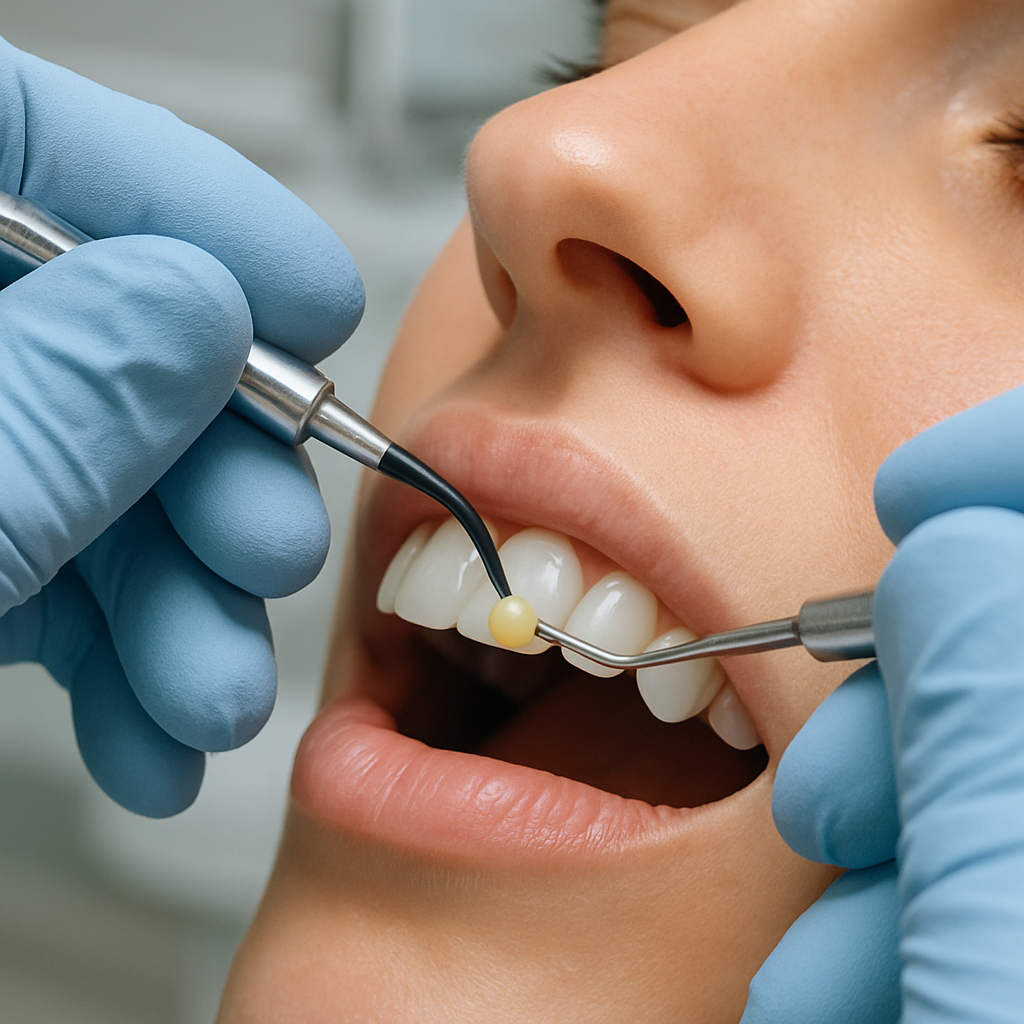
Veneers are ultra-thin shells—typically made of porcelain—that are custom-crafted in a dental lab and permanently bonded to the front surface of your teeth. The process usually requires two visits: one for preparation and impressions, and a second to place the finished veneers.
During the preparation appointment, your dentist removes a small amount of enamel (usually about half a millimeter) to make room for the veneer, ensuring it sits flush and looks natural. Temporary veneers protect your teeth while the lab fabricates your custom set. At the second visit, the veneers are carefully bonded in place with a strong dental adhesive.
Veneers excel at:
- Correcting multiple cosmetic concerns at once
- Transforming severely discolored teeth
- Addressing minor misalignment or uneven tooth sizes
- Providing a long-lasting, stain-resistant solution
Veneers vs Bonding: Comparing Durability and Lifespan
One of the most significant differences between veneers vs bonding is how long each option lasts. Composite bonding typically lasts three to seven years, depending on your oral habits, the location of the bonding, and how well you care for your teeth. Bonding material can chip, stain from coffee or red wine, and wear down over time, requiring touch-ups or replacement.
Porcelain veneers, on the other hand, are remarkably durable. With proper care, veneers often last 10 to 15 years—and sometimes even longer. Porcelain resists stains far better than composite resin and maintains its luster over time. That longevity comes with a higher upfront cost, but many patients find the investment worthwhile for the extended lifespan and superior aesthetics.
Cost Considerations: Veneers vs Bonding
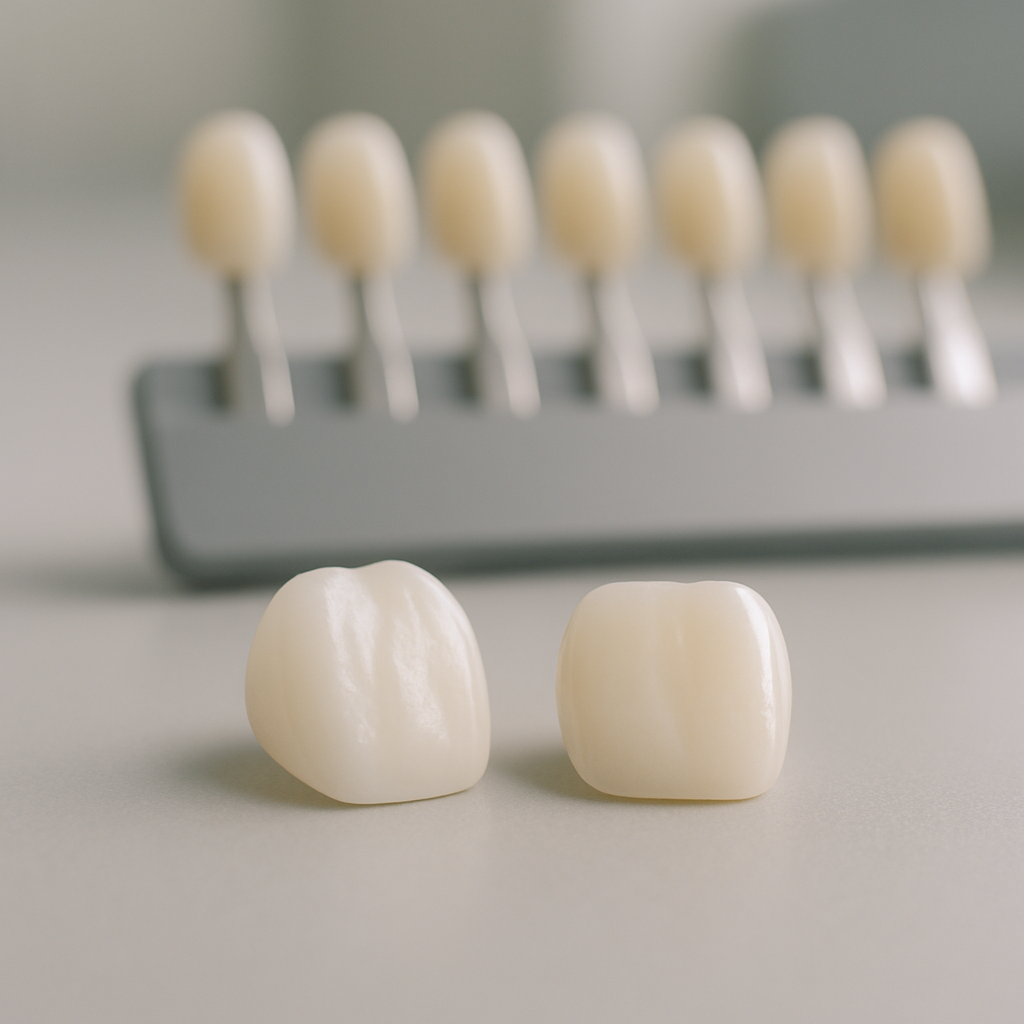
Budget plays a major role when deciding between these treatments. Dental bonding is generally the more affordable option, often costing a few hundred dollars per tooth. Because the procedure can usually be completed in a single visit and doesn’t require lab work, it keeps costs down.
Porcelain veneers are a larger financial commitment, often ranging from several hundred to over a thousand dollars per tooth, depending on the complexity and materials used. However, when you factor in the longer lifespan and reduced need for touch-ups, the cost per year of a beautiful smile may even out over time.
Most cosmetic dentistry is not covered by dental insurance, though some plans may offer partial coverage if the treatment also addresses a functional issue. It’s always wise to check with your insurance provider and discuss payment plans with your dental office.
Which Treatment Matches Your Smile Goals?
Choosing between veneers vs bonding depends on several factors:
- Extent of correction needed: Minor chips or small gaps? Bonding may be perfect. Multiple teeth with severe staining or shape issues? Veneers offer a comprehensive solution.
- Longevity expectations: If you want a fix that lasts a decade or more, veneers are the better bet. If you’re looking for a shorter-term improvement or a trial run, bonding is less invasive.
- Budget: Bonding is easier on the wallet upfront, while veneers require a larger initial investment.
- Tooth structure: Bonding requires little to no enamel removal, making it a conservative choice. Veneers involve permanent alteration of your tooth, so it’s a decision worth careful thought.
- Aesthetic priorities: For the most natural, stain-resistant, and luminous results, porcelain veneers typically win.
Your dentist will examine your teeth, discuss your goals, and help you weigh the pros and cons based on your unique situation. Sometimes a combination approach works best—bonding for one or two teeth and veneers for others.
Making Your Decision With Confidence
Both veneers and bonding are proven cosmetic treatments that can dramatically improve your smile. The right choice depends on your priorities, timeline, and budget. During a cosmetic consultation, your dentist can show you examples, explain the step-by-step process, and provide a personalized treatment plan.
If you’re ready to explore your options and discover whether veneers vs bonding is the better fit for your smile, reach out to the practice in the local area. Our team is here to answer your questions, walk you through every detail, and help you achieve the confident, beautiful smile you deserve. Give us a call or book a consultation online today—we’d love to meet you.