
If your dentist has mentioned you might need a “deep cleaning,” you’re probably wondering what that means—and whether it’s really necessary. Let’s clear up the confusion.
What Is a Dental Deep Cleaning, Exactly?
A dental deep cleaning, formally called scaling and root planing, goes beyond the routine cleaning you get during a regular check-up. While a standard cleaning removes plaque and tartar from the surfaces of your teeth above the gum line, a deep cleaning targets the hidden areas below your gums where harmful bacteria can cause serious damage.
The procedure has two parts:
- Scaling: Your dentist or hygienist removes plaque and tartar (hardened plaque) from below the gum line, reaching into the pockets that form when gums pull away from teeth.
- Root planing: The roots of your teeth are smoothed to help your gums reattach properly and prevent bacteria from settling back in those spaces.
According to the American Dental Association, this treatment is one of the most effective non-surgical ways to manage gum disease and protect your long-term oral health.
How Do I Know If I Need a Deep Cleaning?
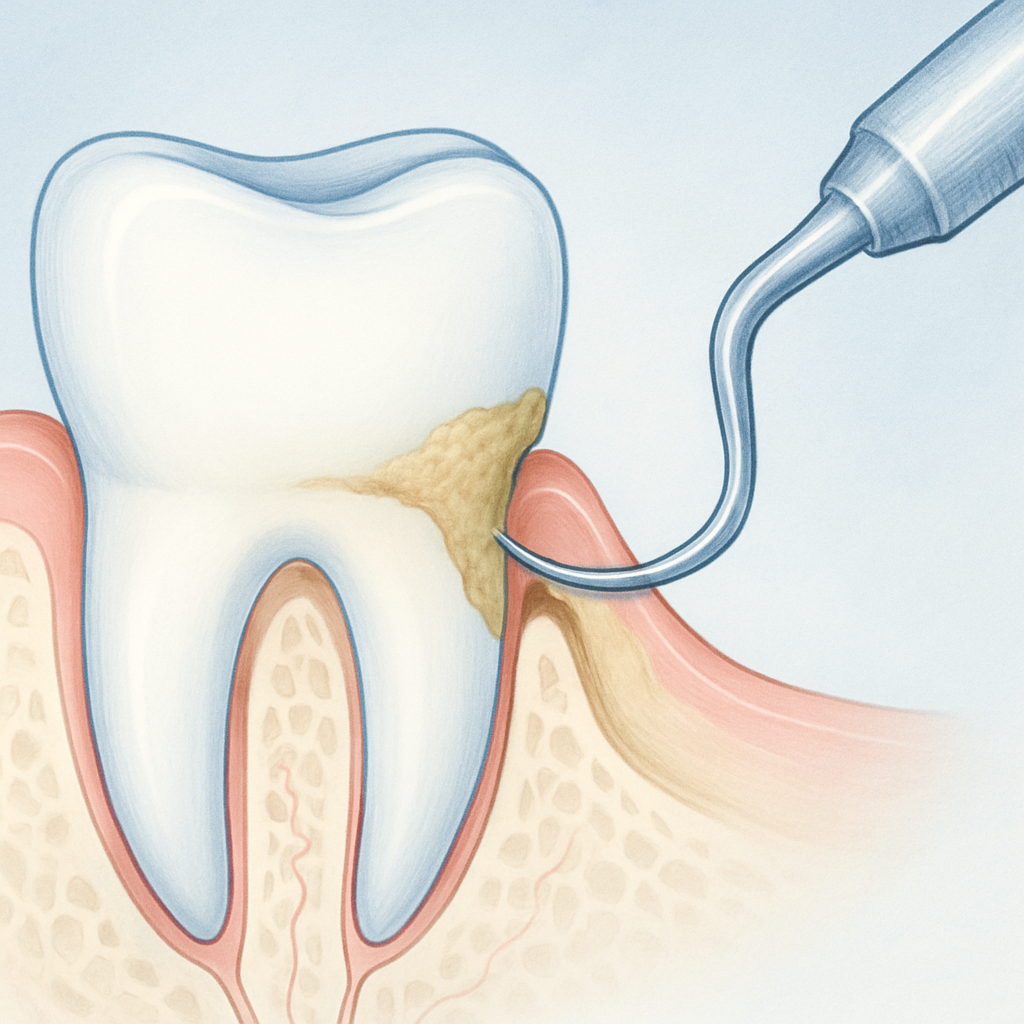
Not everyone needs a deep cleaning—this treatment is specifically for patients showing signs of periodontal disease (gum disease). Your dentist will measure the depth of the pockets around your teeth during your exam. Healthy gums have pockets that are typically 1-3 millimeters deep. When those pockets measure 4 millimeters or deeper, it often signals that bacteria and tartar have moved below the gum line.
Common signs that might indicate you need what is a dental deep cleaning procedure include:
- Gums that bleed easily when you brush or floss
- Persistent bad breath that doesn’t go away
- Gums that appear red, swollen, or tender
- Gums that are pulling away from your teeth
- Loose or shifting teeth
If you notice any of these symptoms, it’s worth scheduling an examination. Catching gum disease early makes treatment simpler and more effective.
What Happens During the Procedure?
Understanding what is a dental deep cleaning process can help ease any anxiety. Most dentists divide the treatment into two or more appointments, working on one section of your mouth at a time. Here’s what to expect:
Your dentist will typically numb the area being treated so you’re comfortable throughout the procedure. Using specialized instruments—sometimes including ultrasonic scalers that use gentle vibrations—they’ll carefully remove the buildup from below your gum line and smooth the tooth roots.
The appointment usually takes longer than a regular cleaning, often 45 minutes to an hour per quadrant of your mouth. Some practices offer sedation options if you’re particularly anxious, so don’t hesitate to discuss your concerns beforehand.
After the procedure, your gums may feel tender for a few days, and you might notice some sensitivity to hot or cold. Over-the-counter pain relievers and a gentle oral hygiene routine typically manage any discomfort well.
Deep Cleaning vs. Regular Cleaning: What’s the Difference?
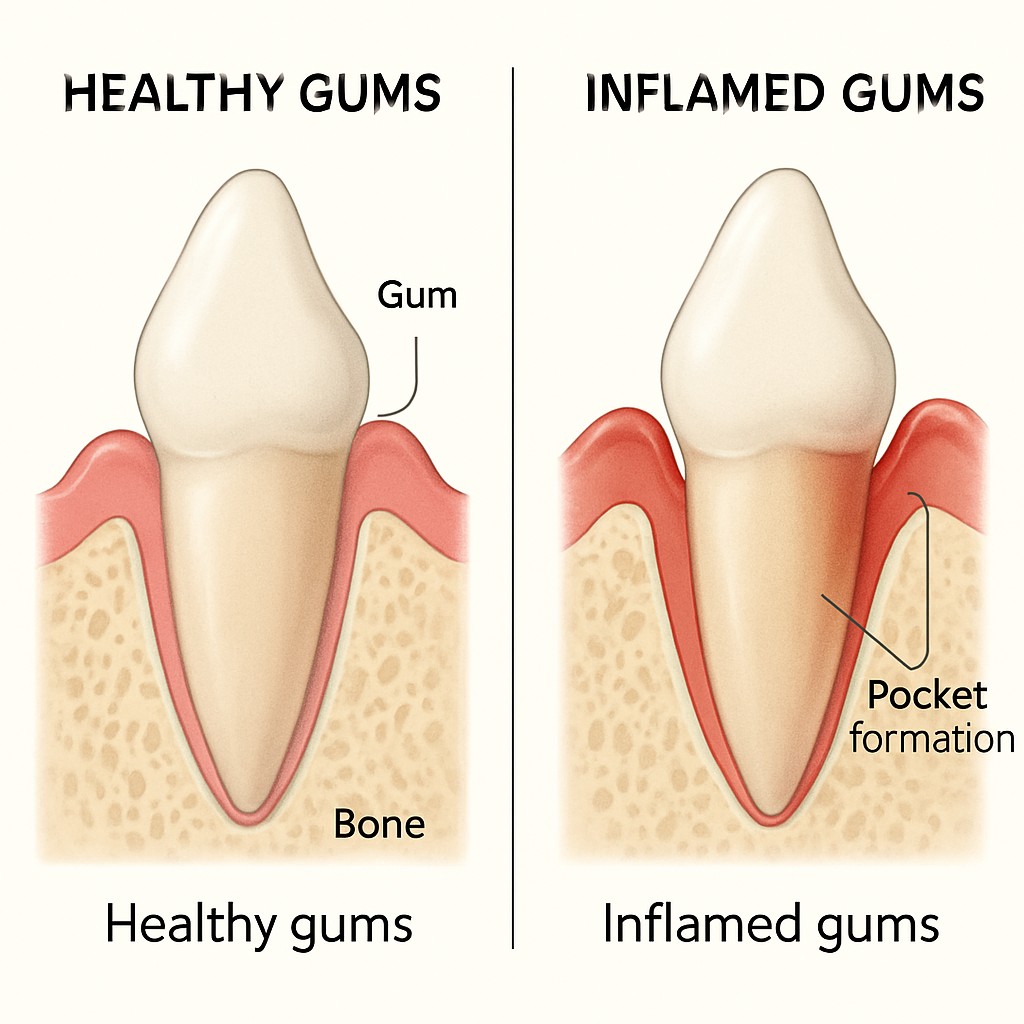
Many patients ask why they can’t just get a regular cleaning if their teeth feel fine. The key difference lies in where the cleaning happens and what it treats.
A regular prophylaxis cleaning is preventive maintenance for healthy gums. It’s like an oil change for your car—routine upkeep to prevent problems. A deep cleaning, on the other hand, is therapeutic treatment for an existing condition. Once bacteria colonize the deep pockets around your teeth, a regular cleaning simply can’t reach those areas.
Think of it this way: if gum disease were a fire, a regular cleaning would be fire prevention, while a deep cleaning is actively putting out flames before they spread. The CDC reports that nearly half of American adults over 30 have some form of periodontal disease, making deep cleanings a common and important treatment.
What Happens If I Skip the Deep Cleaning?
We understand that dental treatment recommendations can feel overwhelming, especially when they’re unexpected. But postponing a recommended deep cleaning allows gum disease to progress, and the consequences can be serious.
Untreated periodontal disease doesn’t just affect your mouth. The bacteria can enter your bloodstream, and research published in medical journals has linked advanced gum disease to increased risks of heart disease, diabetes complications, and other systemic health issues. In your mouth, the disease can lead to:
- Bone loss around your teeth
- Tooth loss
- Receding gums that expose sensitive tooth roots
- Persistent infection that may require more invasive treatment
The good news? When caught and treated early with procedures like scaling and root planing, gum disease can often be controlled and even reversed in its early stages.
Protecting Your Investment: What Comes After
A deep cleaning isn’t a one-and-done solution. Your dentist will likely recommend more frequent follow-up cleanings—often every three to four months instead of the standard six—to keep your gums healthy and prevent the disease from returning.
At home, your oral hygiene routine becomes even more important. Brushing twice daily, flossing every day, and possibly using an antimicrobial mouth rinse can help maintain the results. Your dental team will give you personalized guidance based on your specific situation.
If you’ve been told you might need a deep cleaning, or if you’re experiencing any signs of gum disease, we’re here to help. Our team at the practice provides thorough examinations and will explain exactly what treatment you need and why. We serve patients throughout the local area and believe in giving you all the information you need to make confident decisions about your oral health. Give us a call to schedule your appointment—your gums will thank you.