
Wondering whether clear aligners or metal brackets will get you the smile you’ve always wanted? You’re not alone—choosing between Invisalign vs braces is one of the most common questions we hear at the practice. Both options can beautifully straighten teeth, but the right choice depends on your lifestyle, treatment needs, and personal preferences. Let’s break down what makes each option unique so you can make an informed decision.
How Invisalign vs Braces Work: The Basic Difference
Traditional braces use metal or ceramic brackets bonded to your teeth, connected by wires that gradually shift your teeth into alignment. Your dentist or orthodontist adjusts the tension at regular appointments, typically every 4-6 weeks.
Invisalign, on the other hand, uses a series of custom-made, transparent plastic aligners that snap over your teeth. You switch to a new set of aligners approximately every one to two weeks, each moving your teeth slightly closer to their final position. The American Dental Association recognizes both methods as effective orthodontic treatments when prescribed appropriately.
Appearance and Confidence During Treatment
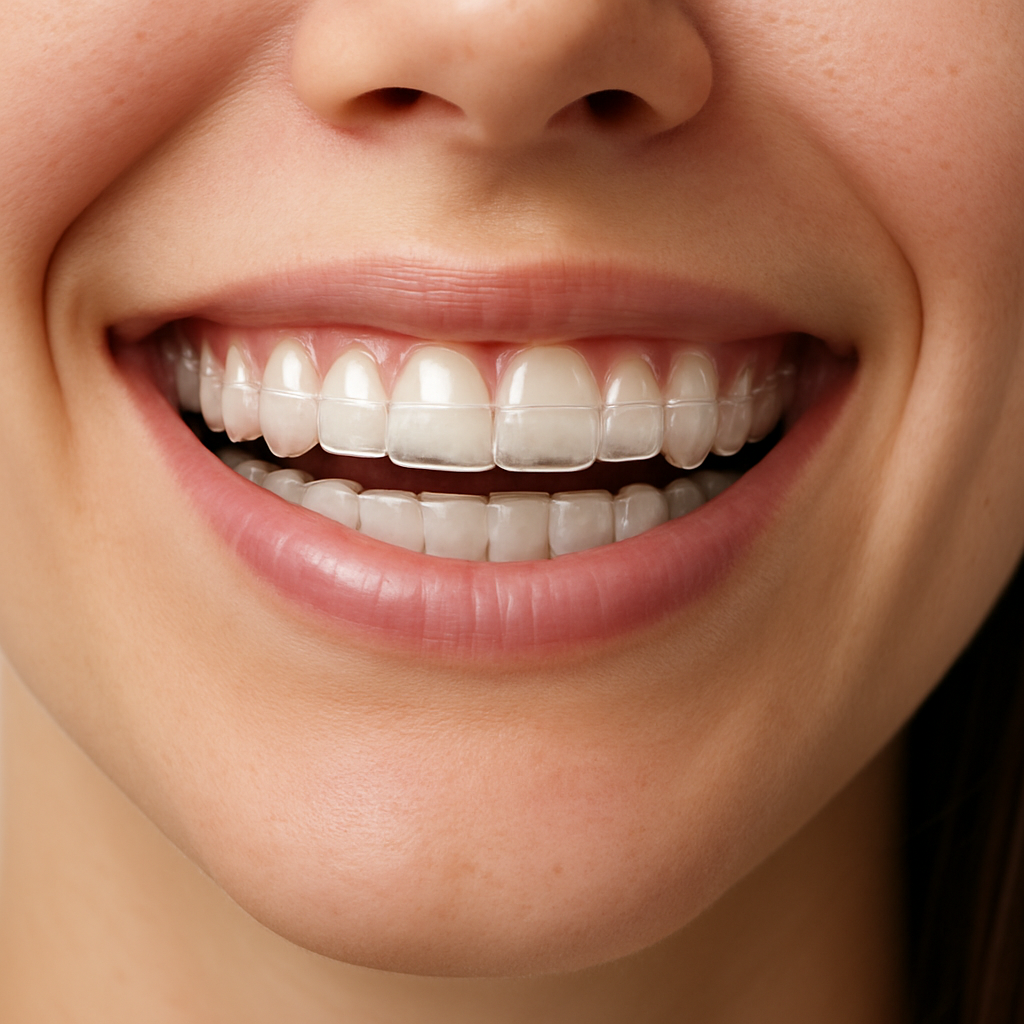
This is where Invisalign vs braces differs most visibly. Clear aligners are nearly invisible—most people won’t notice you’re wearing them unless they’re standing very close. That makes Invisalign popular among adults and teens who feel self-conscious about the appearance of traditional metal braces.
Traditional braces are more noticeable, though ceramic brackets can blend with your tooth color for a subtler look. Many younger patients actually enjoy customizing their braces with colorful bands. If appearance during treatment is a top priority for you, clear aligners may have the edge.
Comfort and Lifestyle Considerations
Both Invisalign and braces require an adjustment period, but the day-to-day experience differs:
- Removability: Invisalign aligners can be removed for eating, brushing, and special occasions. Braces stay in place 24/7.
- Eating restrictions: With braces, you’ll need to avoid sticky, hard, or chewy foods that might damage brackets. Invisalign wearers remove their aligners to eat, so there are no food restrictions—just remember to brush before putting aligners back in.
- Oral hygiene: Brushing and flossing around braces requires extra time and special tools like floss threaders. Invisalign allows you to brush and floss normally since you remove the aligners first.
- Comfort: Braces can cause occasional mouth irritation from brackets and wires, especially after adjustments. Invisalign aligners are smooth plastic but may feel tight when you switch to a new set.
Your lifestyle matters here. If you play contact sports or a wind instrument, or if you’re worried about remembering to wear removable aligners 20-22 hours daily, these factors should weigh into your decision.
Treatment Time: Invisalign vs Braces for Speed
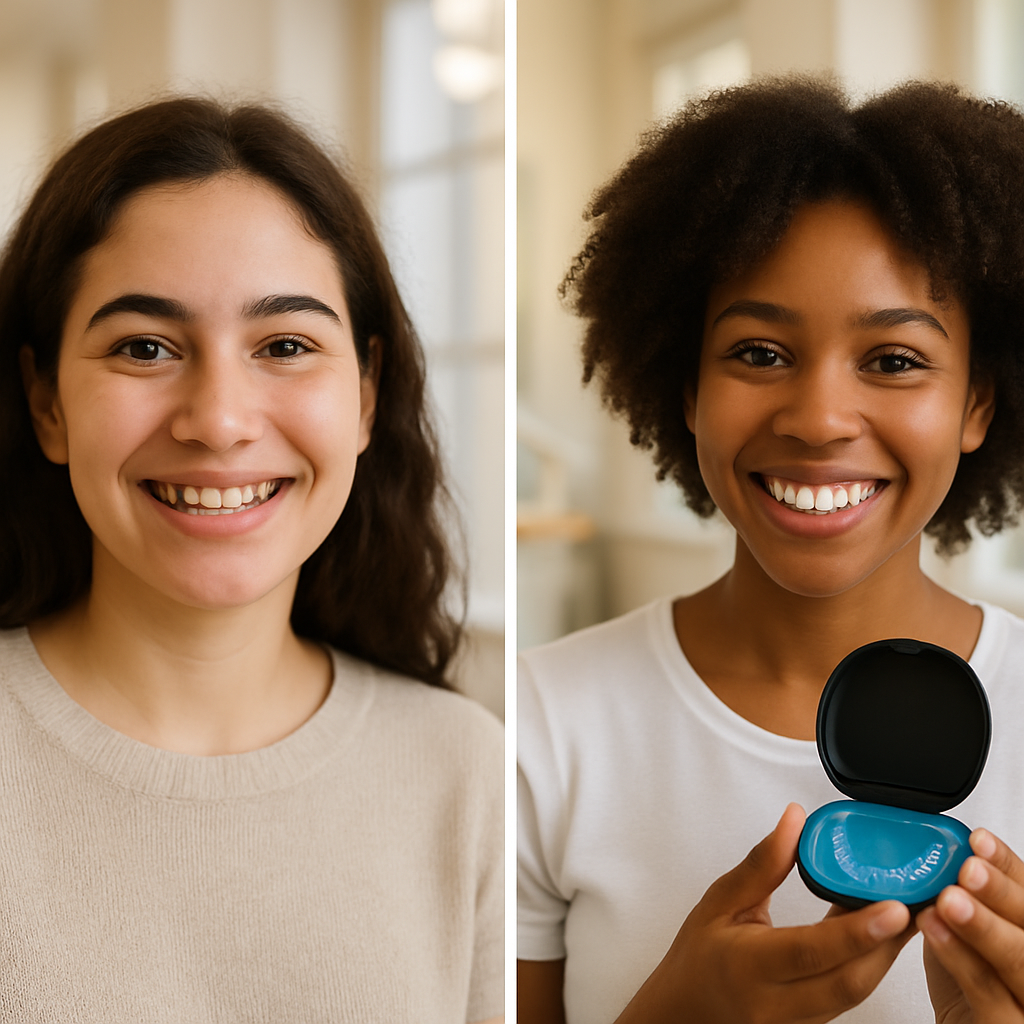
Treatment duration depends more on the complexity of your case than the method itself. For mild to moderate alignment issues, both options typically take 12-18 months. Complex cases—significant crowding, bite issues, or rotated teeth—may take two years or longer.
Traditional braces sometimes work faster for complicated movements because they provide constant, controlled force. Invisalign has improved dramatically and can now handle many complex cases, but success requires strict compliance. Missing wear time means missing progress.
During your consultation at the practice, we’ll assess your specific situation and give you a realistic timeline for both options.
Cost Comparison and Insurance Coverage
In the local area, Invisalign vs braces costs are often comparable, typically ranging from $3,000 to $8,000 depending on treatment complexity and duration. Traditional braces are sometimes slightly less expensive for complex cases.
Many dental insurance plans cover orthodontic treatment for children and adults, usually up to a lifetime maximum (often $1,000-$2,000). Most plans cover Invisalign and braces equally, though it’s worth checking your specific policy. We’re happy to help you understand your benefits and explore payment plans that fit your budget.
Which Cases Work Best for Each Option?
While technology has narrowed the gap, certain situations still favor one approach:
Traditional braces work especially well for:
- Severe crowding or spacing issues
- Complex bite problems (significant overbite, underbite, or crossbite)
- Rotating teeth that need significant repositioning
- Patients who prefer not to manage removable appliances
Invisalign is often ideal for:
- Mild to moderate crowding or spacing
- Adults who prioritize appearance during treatment
- Patients with good self-discipline to wear aligners consistently
- People whose lifestyles make oral hygiene with braces challenging
According to research published by the National Institutes of Health, both treatment modalities can achieve excellent results when the appropriate cases are selected and patients follow through with recommended wear or adjustment schedules.
Making Your Decision
The Invisalign vs braces question doesn’t have a one-size-fits-all answer. Your best choice depends on your dental needs, lifestyle, budget, and personal preferences. Some patients value the “set it and forget it” nature of braces, while others appreciate the flexibility and appearance of clear aligners.
The most important step is getting a professional evaluation. At the practice, we’ll examine your teeth, discuss your goals, and explain which option will give you the healthiest, most beautiful results. We serve patients throughout the local area and would love to help you start your journey to a confident new smile. Give us a call today to schedule your consultation—we’ll answer all your questions and help you choose the path that’s right for you.