Did you know that scheduling your spring dental checkup in April could save you money while protecting your smile for the rest of the year?
As the weather warms up and we shake off the winter doldrums, April marks the perfect time to invest in your oral health. Between insurance resets, flexible scheduling, and the natural rhythm of spring renewal, there’s never been a better month to book your next dental visit. Here’s why smart patients are filling appointment calendars right now—and why you should join them.
Why Your Spring Dental Checkup Matters More Than You Think
Regular dental visits aren’t just about clean teeth—they’re about prevention. The American Dental Association recommends professional cleanings and examinations at intervals determined by your dentist, typically every six months for most patients.
During a spring dental checkup, your dentist can identify small problems before they become big, expensive ones. A tiny cavity caught in April might need just a simple filling. That same cavity left untreated until December could require a root canal or crown. Early detection isn’t just better for your comfort—it’s significantly easier on your wallet.
Spring appointments also give you a clean slate heading into summer vacation season, wedding season, and all those photo opportunities that come with warmer weather. You’ll smile with confidence knowing your oral health is in great shape.
Maximize Your Insurance Benefits with an April Spring Dental Checkup

Here’s a secret many patients don’t realize: most dental insurance plans operate on a calendar year, resetting every January 1st. By April, you’ve had a few months to recover from holiday expenses, but you still have eight full months to use your annual benefits.
Most plans cover preventive care—like cleanings, exams, and X-rays—at 100%, meaning your spring dental checkup costs you nothing out of pocket. If your dentist discovers treatment needs during your April visit, you have plenty of time before December 31st to schedule procedures and maximize your annual maximum benefit, which typically ranges from $1,000 to $2,000.
Waiting until fall or early winter creates a scheduling crunch. Everyone tries to book appointments in November and December to use expiring benefits, making it harder to find convenient times. April appointments give you first choice of scheduling and ample time to plan any necessary treatment.
Spring Scheduling Flexibility Works in Your Favor
Dental practices typically experience lighter patient volume in spring compared to the year-end rush. This means:
- More available appointment times, including early morning or late afternoon slots
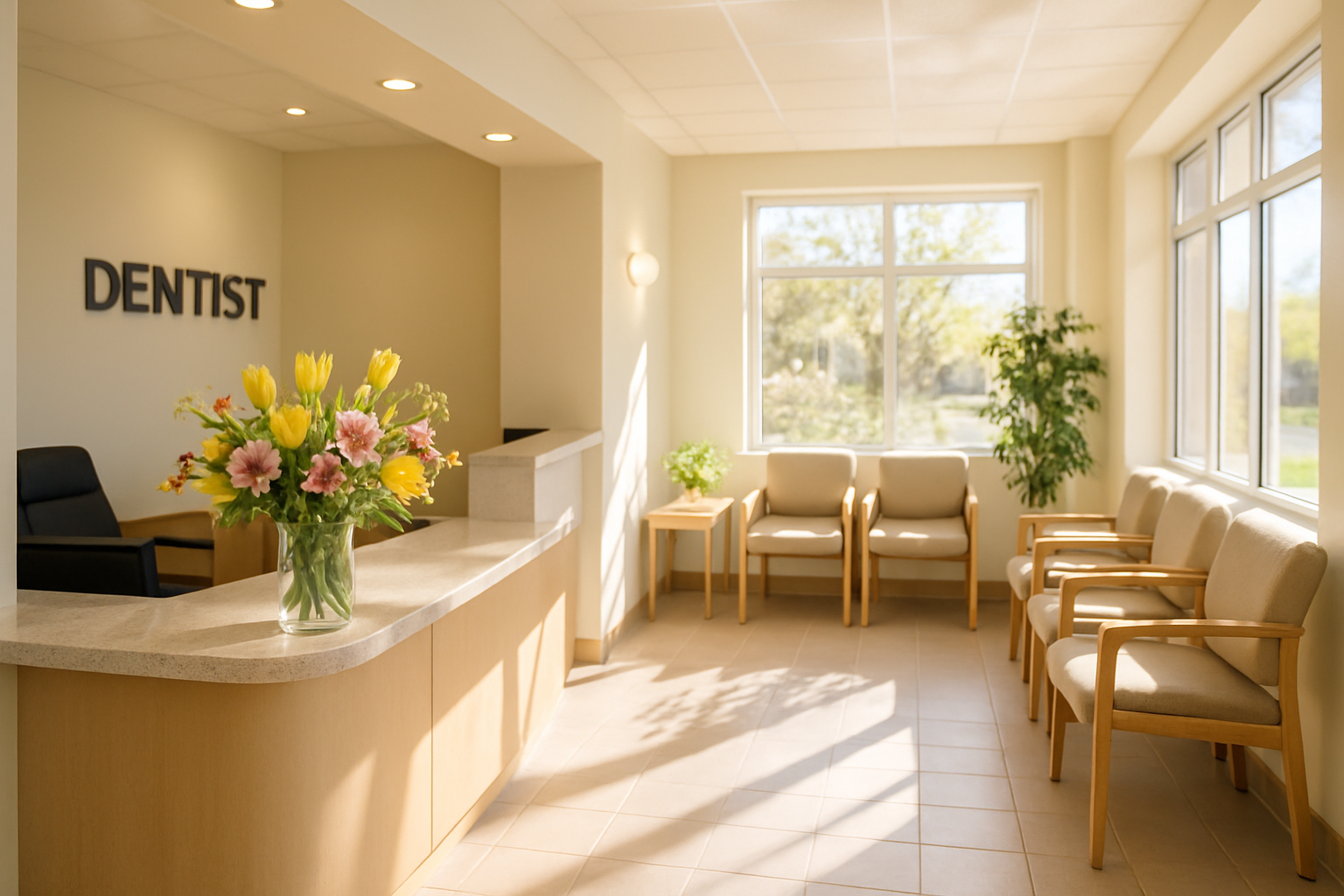
- Less waiting time in the reception area
- More unhurried time with your hygienist and dentist
- Greater flexibility if you need to reschedule
- Easier coordination for family appointments on the same day
For busy professionals and parents juggling multiple schedules, this flexibility is invaluable. You can find times that actually work for your life instead of settling for whatever’s left.
Address Winter Damage Before It Gets Worse

Winter can be surprisingly hard on your teeth. Cold, dry air. Hot beverages followed by cold outdoor temperatures. Comfort foods high in sugar. Skipped flossing routines during busy holiday schedules. Grinding your teeth due to seasonal stress.
Your spring dental checkup is the ideal opportunity to assess any damage from winter habits. According to research from the National Institute of Dental and Craniofacial Research, tooth decay is one of the most common chronic conditions, but it’s also highly preventable with regular professional care.
April gives your dentist the chance to spot enamel erosion, new cavities, gum inflammation, or signs of teeth grinding before these issues progress. Your hygienist can also remove tartar buildup that accumulated over the winter months—buildup that your toothbrush simply can’t address at home.
Set Healthy Habits for the Entire Year
There’s something psychologically powerful about spring renewal. Just as you might spring clean your home or start a new fitness routine, a spring dental checkup can kickstart better oral health habits for the months ahead.
Your dental team can provide personalized coaching on:
- Proper brushing and flossing techniques tailored to your needs
- Dietary choices that support strong teeth and healthy gums
- Products that work best for your specific oral health situation
- Warning signs to watch for between appointments
When you leave your April appointment with a fresh, clean smile and a clear understanding of your oral health status, you’re more motivated to maintain that feeling. It’s the perfect foundation for a year of excellent dental care.
Special Considerations for Families and Children
April is particularly strategic for families. School schedules are settled, but you’re not yet into the chaos of end-of-year activities and summer vacation planning. Children are in their routine, making it easier to prepare them for dental visits.
For kids, regular spring dental checkups help establish oral health as a normal, non-threatening part of life. The CDC emphasizes that tooth decay is one of the most common chronic infectious diseases among children, yet it’s largely preventable with consistent professional care and good home habits.
Catching issues early in children—like cavities, alignment problems, or bite irregularities—often means simpler, less invasive treatment. An April checkup gives you months to address any concerns before the next school year begins.
Ready to Book Your Spring Dental Checkup?
Don’t let another season pass without prioritizing your oral health. April offers the perfect combination of insurance timing, scheduling flexibility, and fresh-start motivation to make your spring dental checkup a reality.
The practice welcomes patients throughout the local area for comprehensive general and cosmetic dentistry services. Our team makes it easy to schedule at times that work for your busy life, and we’ll help you understand exactly how your insurance benefits apply to your care.
Call today to reserve your spring dental checkup appointment. Your smile will thank you—not just this month, but all year long.