
Are you surprised to learn that dental implants have a success rate above 95%—yet cost remains the number one reason people delay treatment?
If you’ve been researching tooth replacement options, you’ve probably noticed that dental implants cost more upfront than bridges or dentures. But understanding what you’re actually paying for—and the long-term value—can make all the difference in your decision.
In this guide, we’ll break down exactly what influences the cost of dental implants in 2024, what’s typically included in the price, and how to make treatment more affordable.
What Is the Average Dental Implants Cost in 2024?
The short answer: a single dental implant typically ranges from $3,000 to $6,000 when you include the implant post, abutment, and crown. That said, your final cost depends on several factors we’ll explore below.
Here’s a general breakdown by treatment type:
- Single tooth implant: $3,000–$6,000
- Implant-supported bridge (3–4 teeth): $6,000–$15,000
- Full-arch implant denture (per arch): $15,000–$30,000
- All-on-4® full-arch restoration: $20,000–$40,000 per arch
These are national averages. Your local area’s cost of living, your dentist’s experience, and the complexity of your case all play a role.
Why Does Dental Implants Cost Vary So Much?
Unlike a simple filling, dental implant treatment involves multiple stages and specialists. Here’s what impacts the price:
1. The Number of Implants You Need
Obviously, replacing one tooth costs less than replacing an entire arch. But interestingly, full-arch solutions like All-on-4 can be more cost-effective per tooth than multiple single implants because fewer posts are required.
2. Bone Grafting or Sinus Lifts
If you’ve been missing teeth for a while, your jawbone may have deteriorated. A bone graft or sinus lift adds $500 to $3,000 to your treatment, but it’s essential for implant stability.
3. Materials and Lab Fees
High-quality titanium or zirconia implants and custom-milled crowns cost more—but they also last longer and look more natural. Some practices use overseas labs to cut costs, but that can affect fit and appearance.
4. Your Dentist’s Training and Technology
Implant dentistry requires advanced training. Dentists who’ve completed post-graduate programs or use 3D imaging and guided surgery may charge more, but these tools improve precision and outcomes. According to the Mayo Clinic, careful planning is key to implant success.
What’s Included in the Dental Implants Cost?
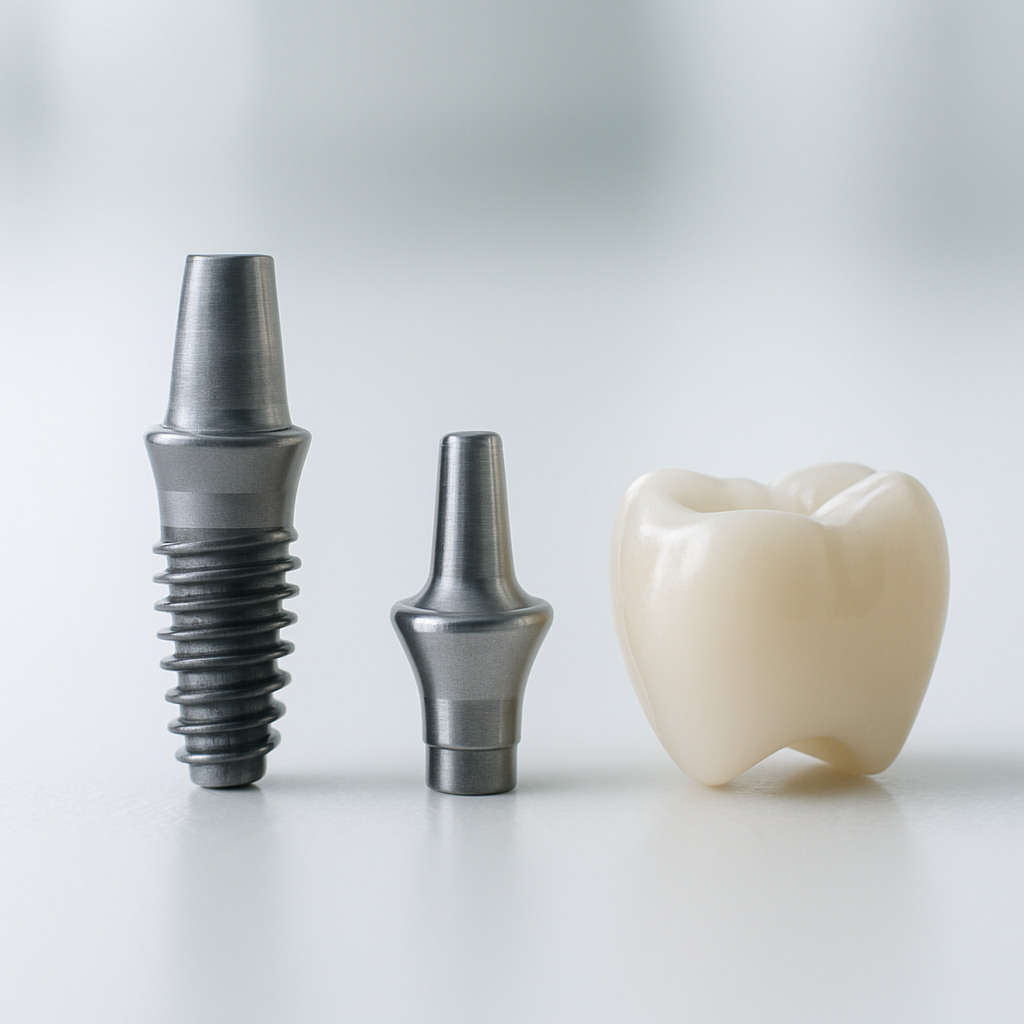
When you see a quote for dental implants, make sure it’s comprehensive. A complete treatment typically includes:
- Initial consultation and imaging: X-rays or 3D CT scans to assess bone and plan placement
- The implant post: The titanium screw surgically placed in your jawbone
- The abutment: The connector piece between implant and crown
- The crown: The visible tooth restoration, custom-made to match your smile
- Follow-up visits: Healing checks and final adjustments
Some practices quote the implant and crown separately, which can be confusing. Always ask for a complete treatment estimate before you begin.
Are Dental Implants Worth the Investment?

Let’s be honest: dental implants aren’t cheap. But when you compare them to other tooth replacement options, the value becomes clearer.
Bridges typically last 7–10 years and require grinding down healthy adjacent teeth. Dentures need replacement every 5–7 years and can slip or cause bone loss over time.
Implants, on the other hand, can last 25 years or longer—often a lifetime—with proper care. They preserve your jawbone, function like natural teeth, and never need to be removed for cleaning. The long-term success rates support their durability.
When you calculate cost-per-year, implants often become the most economical choice—not to mention the confidence and quality of life they restore.
How to Make Dental Implants More Affordable
If the upfront dental implants cost feels overwhelming, you’re not alone. Here are strategies that can help:
- Dental insurance: Most plans don’t cover implants fully, but they may cover the crown or a portion of the surgery. Always check your benefits.
- Flexible financing: Many practices offer monthly payment plans through third-party lenders, often with 0% interest for 12–24 months.
- Health Savings Accounts (HSA) or Flexible Spending Accounts (FSA): Use pre-tax dollars to pay for implants.
- Phased treatment: Some patients do one implant at a time to spread out costs.
At the practice, we work with you to create a treatment plan that fits your budget and goals. We’d rather help you find a way to move forward than watch you continue to struggle with missing teeth.
Ready to Explore Your Options?
Understanding dental implants cost is the first step toward reclaiming your smile and confidence. While the investment is real, so is the transformation—in how you eat, speak, and feel about yourself every day.
If you’re in the local area and ready to learn what implants would cost for your specific situation, we invite you to schedule a consultation with our team. We’ll take the time to answer your questions, review your options, and provide a clear, honest estimate with no pressure.
Give us a call or book online today—your future smile is worth it.