What if your next dental visit felt more like a spa appointment than a source of stress? Thanks to advances in painless dentistry modern techniques, that reality is already here for patients in the local area who choose practices committed to comfort-first care.
Fear of discomfort has kept millions of people away from the dentist, but today’s dental technology has fundamentally changed what treatment feels like. From digital imaging that eliminates gagging to laser procedures that need no scalpel, modern dentistry prioritizes your peace of mind as much as your oral health.
Digital Impressions Replace the Gag-Inducing Mold
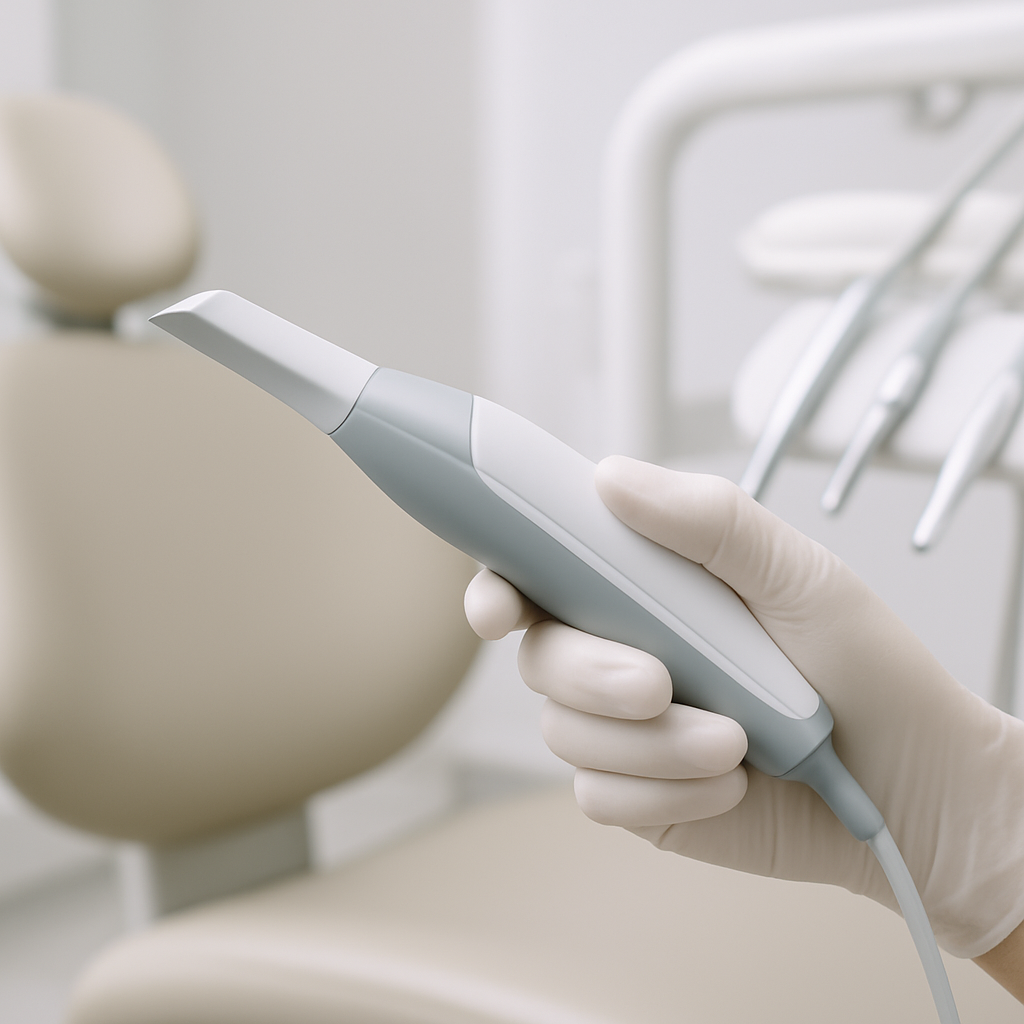
Remember those goopy, uncomfortable impression trays that made you feel like you couldn’t breathe? They’re becoming a thing of the past. Intraoral scanners now capture precise 3D images of your teeth in minutes, using a small wand that glides comfortably around your mouth.
This technology improves accuracy for crowns, bridges, and aligners while making the experience dramatically more pleasant. There’s no taste, no gagging, and no waiting with a mouthful of material. For patients with a sensitive gag reflex, this alone transforms what used to be the most dreaded part of restorative work.
Painless Dentistry Modern Techniques Include Gentle Sedation Options
Dental anxiety is real, and dismissing it doesn’t help anyone. That’s why compassionate practices now offer a spectrum of sedation options tailored to your comfort level:
- Nitrous oxide (laughing gas): Inhaled through a small mask, it creates mild relaxation while you remain fully awake and responsive. Effects wear off within minutes after treatment.
- Oral conscious sedation: A prescribed pill taken before your appointment produces deeper relaxation. You’ll stay awake but feel calm and may have little memory of the procedure.
- IV sedation: Administered by trained professionals for longer or more complex procedures, allowing you to rest comfortably while your dentist works efficiently.
The American Dental Association provides guidelines on sedation safety to ensure every option is administered with your wellbeing as the priority.
Laser Dentistry Minimizes Pain and Healing Time
Dental lasers sound futuristic, but they’re already standard equipment in advanced practices. These precise light beams can reshape gums, remove decay, and even perform biopsies with minimal discomfort.
Unlike traditional scalpels and drills, lasers often require no anesthesia for soft-tissue procedures. They seal blood vessels as they work, reducing bleeding and swelling. Many patients report feeling only mild warmth or pressure, and recovery times are typically much shorter than with conventional methods.
Hard-tissue lasers can prepare teeth for fillings while generating less heat, vibration, and noise than the traditional drill—three factors that trigger anxiety in many patients. When painless dentistry modern techniques include laser tools, even cavity treatment becomes a calmer experience.
The Wand: Computer-Assisted Anesthesia Delivery
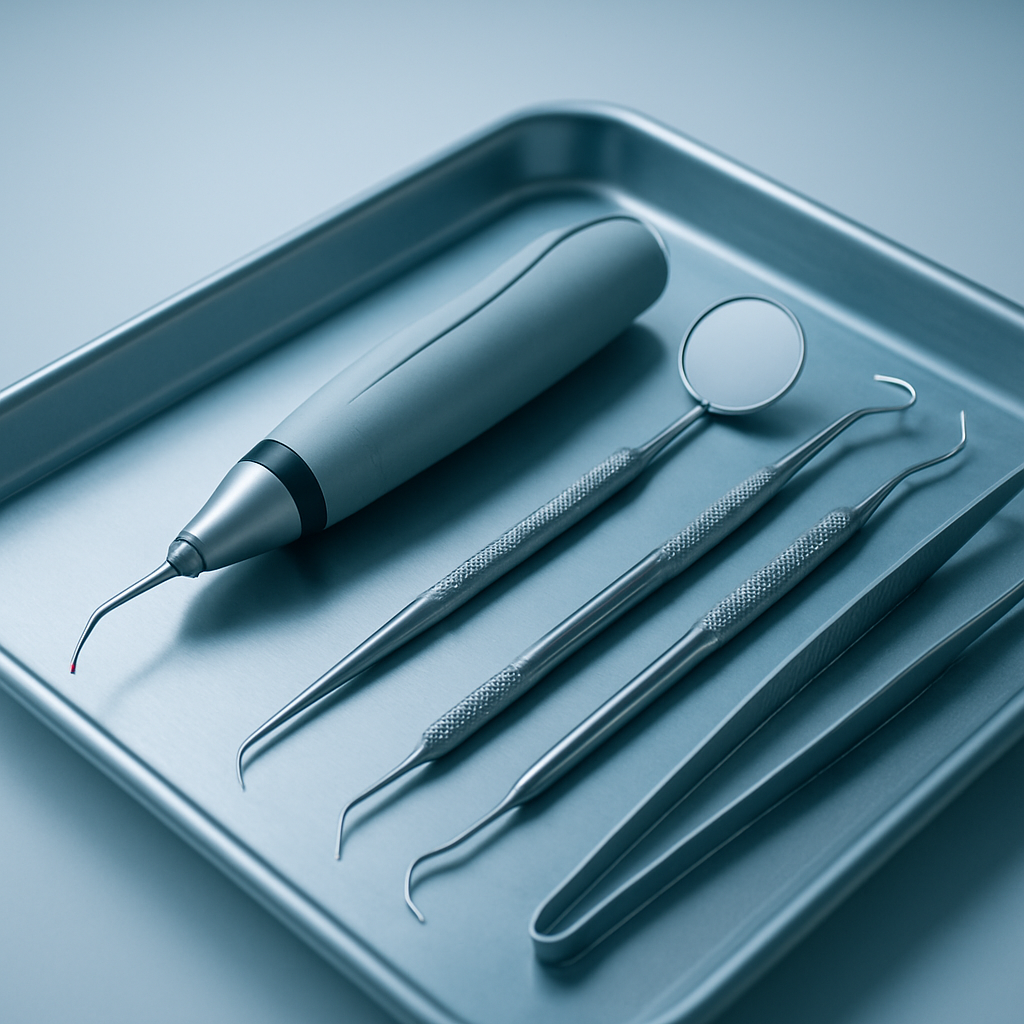
Even the numbing process has been reimagined. The Wand and similar computer-controlled injection systems deliver local anesthetic so gradually and precisely that many patients don’t even realize the injection has happened.
Traditional syringes can cause discomfort because anesthetic enters tissues quickly, creating pressure. The Wand uses a slow, controlled flow rate monitored by computer, and the handpiece looks less intimidating than a conventional needle. For patients who tense up at the sight of a syringe, this technology removes a major psychological barrier.
Electric Handpieces and Ultrasonic Scalers Reduce Vibration
The high-pitched whine and vibration of old-style dental drills contributed significantly to patient anxiety. Modern electric handpieces operate more quietly and smoothly, with less vibration transferred to your jaw and skull.
Similarly, ultrasonic scalers used during cleanings vibrate at frequencies that break up tartar efficiently while feeling gentler than traditional metal hand scalers. According to research published through the National Center for Biotechnology Information, patients consistently rate ultrasonic cleaning as more comfortable than manual scaling alone.
Communication and Pacing Put You in Control
Technology alone doesn’t create painless dentistry modern techniques—the human element matters just as much. The best practices empower you with a simple hand signal to pause treatment anytime you need a break. Your dentist should explain each step before it happens, so there are no surprises.
Comfort amenities like noise-canceling headphones, warm blankets, and ceiling-mounted screens for entertainment help you relax during longer procedures. When your care team checks in frequently and respects your pace, dental visits feel collaborative rather than something being done to you.
Experience Comfortable Dental Care in the Local Area
You don’t have to dread your next appointment. Modern tools and compassionate care have made truly comfortable dentistry a reality, not a marketing claim. Whether you need a routine cleaning or more extensive restorative work, today’s techniques prioritize your comfort every step of the way.
Ready to experience the difference? Call the practice today to schedule a visit and discover how painless your dental care can actually be. Our team is here to answer your questions and design a treatment plan that fits your comfort needs perfectly.