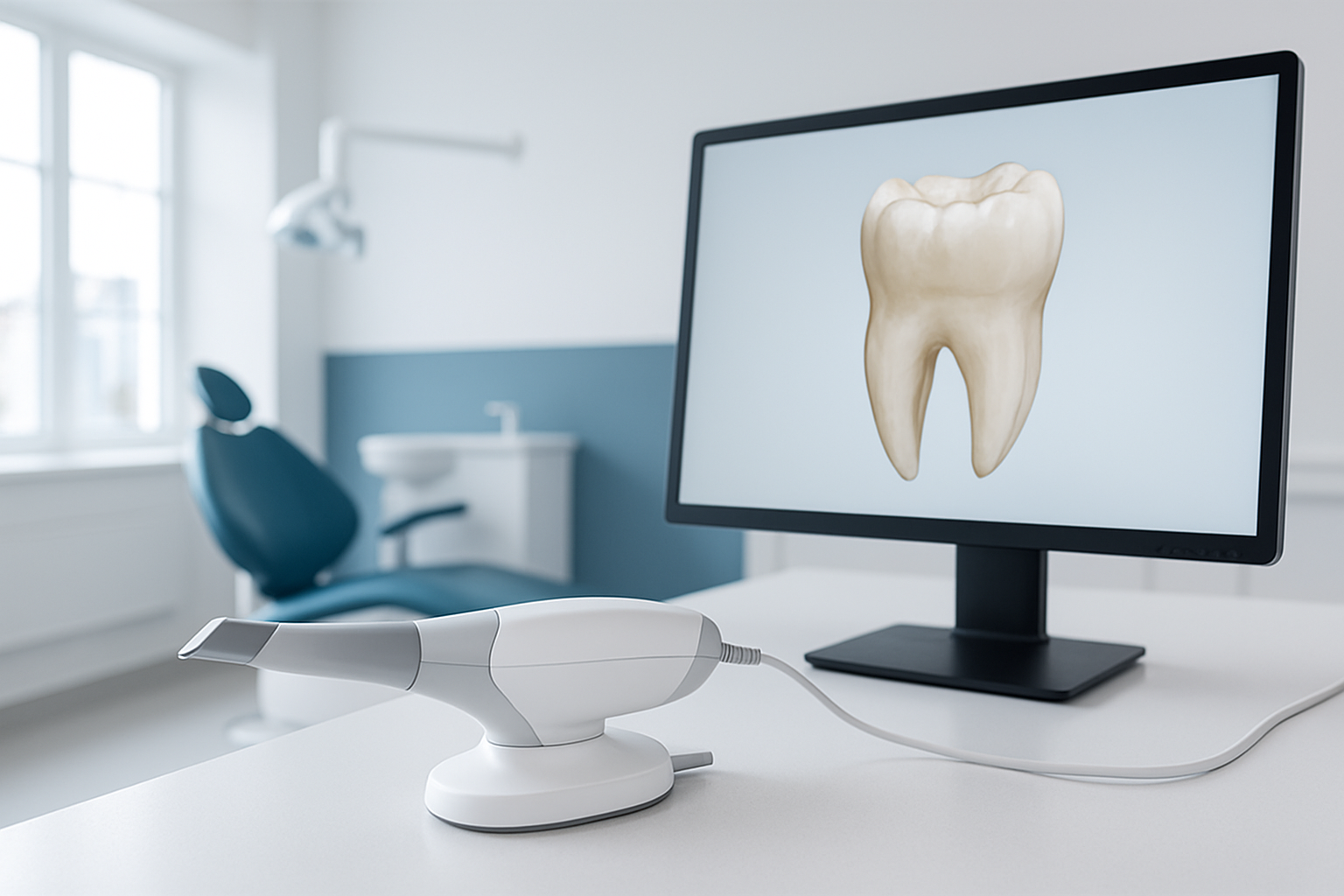
Did you know that the dental chair you sit in today might have more computing power than the spacecraft that landed on the moon? Digital dentistry technology has quietly revolutionized the way dentists diagnose, plan, and deliver care—making your visits faster, more comfortable, and often more precise than ever before.
If you’ve ever wondered what all those screens, scanners, and high-tech tools in your dentist’s office actually do, you’re not alone. Let’s walk through the most common digital dentistry technologies transforming smiles in the local area and beyond.
What Exactly Is Digital Dentistry Technology?
Digital dentistry refers to the use of computer-based tools and devices to diagnose, plan, and perform dental procedures. Instead of relying solely on traditional impressions, X-ray film, and manual techniques, today’s dental practices integrate digital imaging, design software, and precision instruments to deliver care that’s both more accurate and more patient-friendly.
The shift to digital doesn’t mean your dentist is replacing the human touch—it means they’re enhancing it. Technology handles the heavy lifting of data collection and precision work, so your dental team can focus on what matters most: your comfort and your outcomes.
3D Imaging and Digital X-Rays
Gone are the days of biting down on uncomfortable film packets and waiting for images to develop. Digital X-rays use electronic sensors to capture detailed images of your teeth and jaw in seconds, with up to 90% less radiation exposure than traditional film, according to the American Dental Association.
Even more impressive are cone beam computed tomography (CBCT) scanners, which create 3D images of your teeth, soft tissues, nerve pathways, and bone structure in a single scan. This technology is especially valuable for planning dental implants, evaluating jaw issues, and diagnosing problems that might be invisible on a standard X-ray.
The result? Your dentist can spot issues earlier, plan treatments with millimeter precision, and show you exactly what’s happening inside your mouth on a screen—no guesswork required.
Intraoral Scanners and Digital Impressions
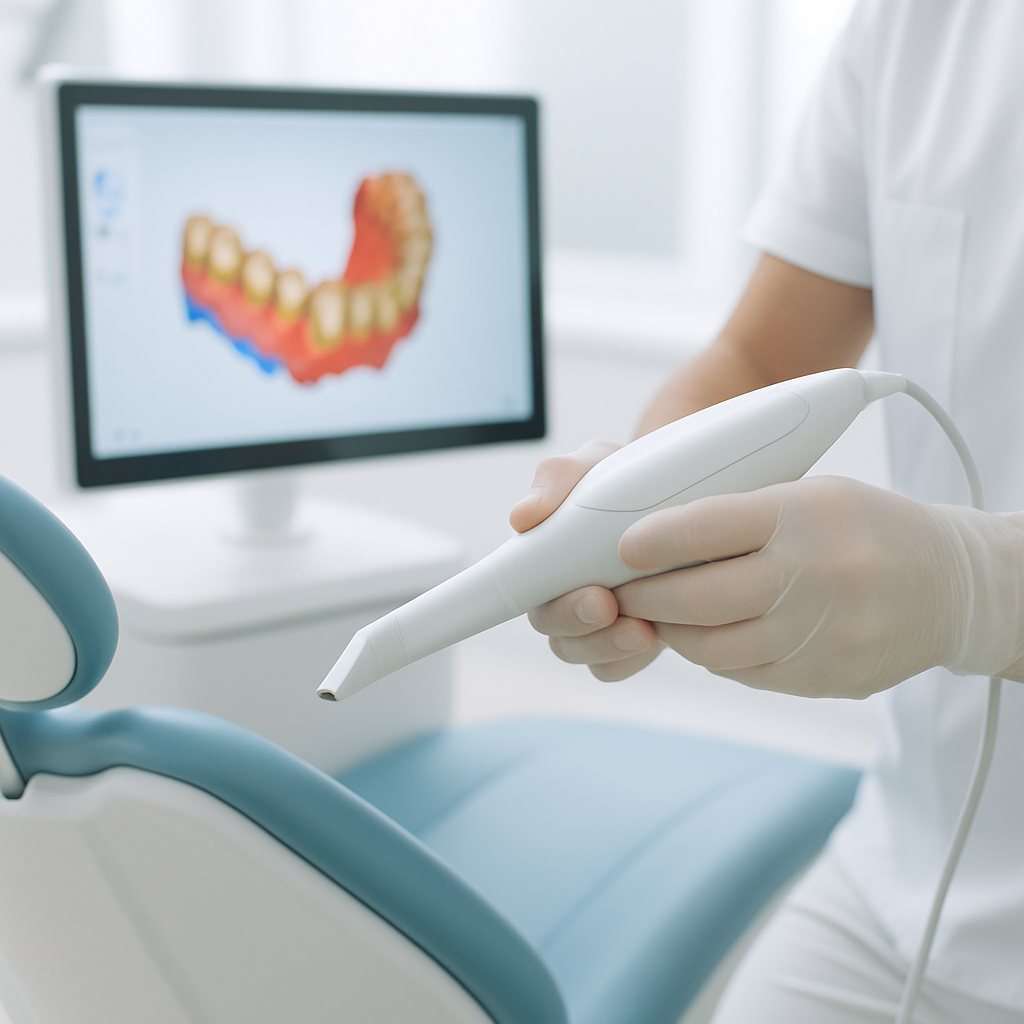
If you’ve ever gagged on goopy impression material, you’ll appreciate this innovation. Intraoral scanners are small, wand-like devices that capture thousands of images per second to create a highly accurate 3D model of your teeth and gums—no mess, no discomfort, no waiting.
These digital impressions are used for:
- Designing crowns, bridges, and veneers
- Planning orthodontic treatment with clear aligners
- Fabricating custom nightguards and retainers
- Monitoring changes in your bite or tooth wear over time
Because the digital file can be sent instantly to a dental lab or milling machine, you might even walk out with your restoration the same day—a far cry from the two-week wait of the past.
CAD/CAM Technology: Same-Day Restorations
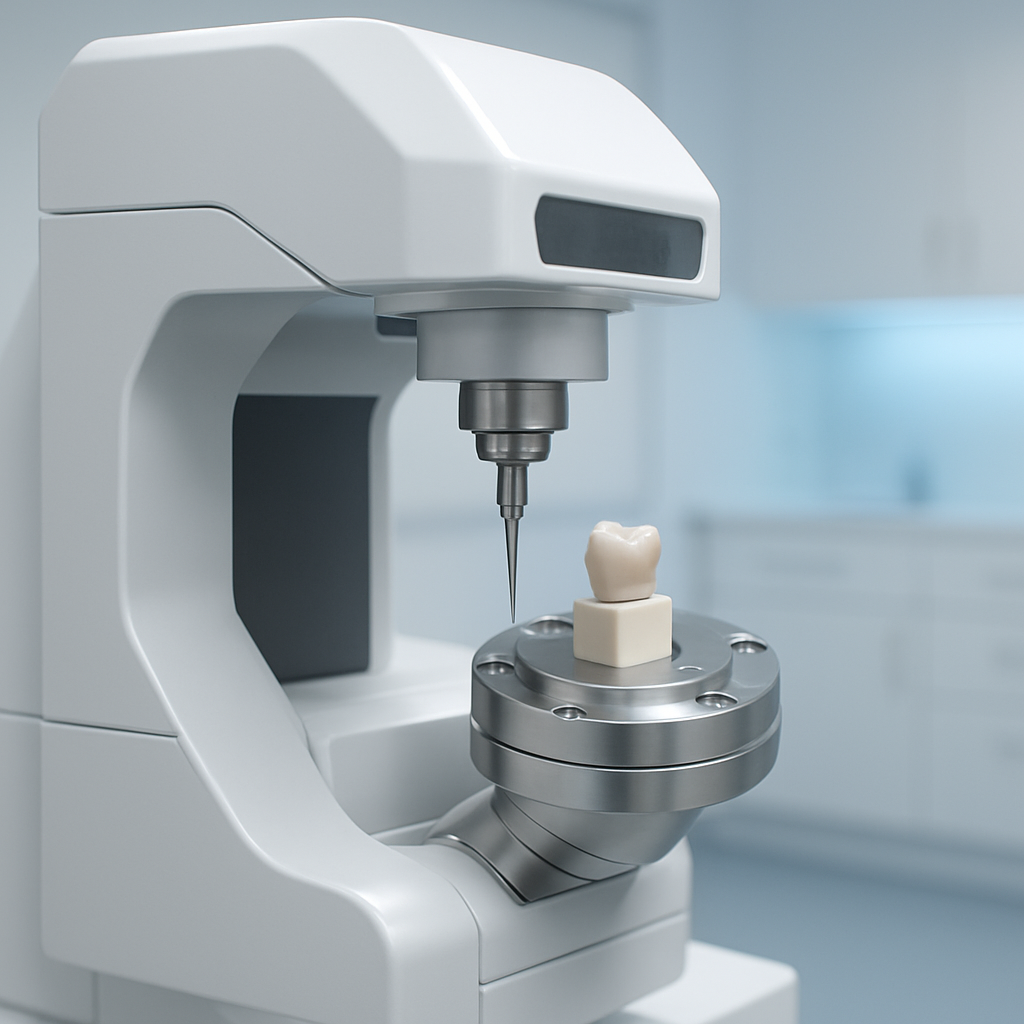
CAD/CAM stands for Computer-Aided Design and Computer-Aided Manufacturing, and it’s the technology behind same-day crowns, inlays, and onlays. Here’s how it works: your dentist scans your tooth, designs your restoration on a computer, and then a milling machine carves it from a solid block of ceramic or resin—all while you wait.
The benefits of CAD/CAM digital dentistry technology include:
- No temporary crown or second appointment
- Precise fit based on your exact tooth anatomy
- Durable, natural-looking materials
- Less time in the chair overall
Not every case is suited for same-day treatment, but when it is, the convenience and quality are hard to beat.
Laser Dentistry for Soft and Hard Tissues
Dental lasers might sound futuristic, but they’ve been used safely and effectively for years. Laser dentistry technology can reshape gums, remove decay, perform biopsies, and even assist with teeth whitening—often with less bleeding, swelling, and discomfort than traditional methods.
Lasers are particularly helpful for patients with dental anxiety, as many procedures can be completed with minimal or no anesthesia. According to the ADA, lasers also promote faster healing by sterilizing the treatment area and stimulating tissue regeneration.
While not every procedure requires a laser, having the option means your dentist can choose the gentlest, most effective tool for your specific needs.
Digital Treatment Planning and Communication
Beyond the gadgets, one of the most valuable aspects of digital dentistry is how it improves communication. With digital records, your dentist can pull up your full history in seconds, compare X-rays side by side, and show you simulations of what your smile could look like after treatment.
Many practices also use digital platforms to send appointment reminders, share educational videos, and even let you fill out forms from home. It’s all part of a smoother, more transparent experience that respects your time and keeps you informed every step of the way.
Experience Modern Dental Care in the Local Area
Digital dentistry technology isn’t just about having the latest equipment—it’s about using that technology to deliver care that’s more precise, more comfortable, and more tailored to you. From 3D scans to same-day restorations, these tools allow your dental team to work smarter and help you achieve healthier, more confident smiles.
If you’re curious about how digital dentistry can benefit your oral health, the team at the practice is here to answer your questions. We combine advanced technology with a warm, personalized approach to make every visit as pleasant and productive as possible. Give us a call or book an appointment online—we’d love to show you the difference modern dentistry can make.